Medical device translation · Niantic, CT · ES — VI — HT

Translation & localization for medical devices and life sciences

You want every patient to read your IFU exactly as your engineers wrote it. Here’s how that happens.

Havelo is a small translation desk in Niantic, Connecticut that practises one old craft with care: carrying instructions for use, device labels and patient materials out of English and into Spanish, Vietnamese and Haitian Creole — so the dosage, the warning and the symbol mean the same thing on the far side of the page. Every project is certified, read again by a second linguist, and set to FDA labeling conventions. Quoted per project, $300 to $1,500.

  • Written for regulatory affairs teams at device makers, IVD kit manufacturers and clinical-trial sponsors writing for patients at home.
  • Every file leaves with a signed certificate of accuracy and the reviewer’s reconciliation log.
Two linguists per page

Three languages on the desk — and no others

  • ESEspañolU.S. Spanish, written for patients and caregivers
  • VITiếng ViệtDiacritics checked in the final PDF, not the draft
  • HTKreyòl ayisyenStandard orthography, plain spoken register
  • Instructions for Use
  • Device Labeling
  • Carton & Unit Labels
  • Patient Information Leaflets
  • Informed Consent Forms
  • Quick Reference Cards
  • Certified Translation
  • Second-Linguist Review
  • FDA-Compliant Formatting
  • Español
  • Tiếng Việt
  • Kreyòl Ayisyen

What to expect from a project

The Five Figures That Govern Every File

These are the house terms, kept short and fixed, the way a print shop keeps its price list nailed by the door.

3

Languages

Spanish, Vietnamese, Haitian Creole. A fourth would mean handing your text to a stranger, so we don’t.

2

Readers per page

The linguist who translated it, and one who didn’t — reading against your English line by line.

Fixed up front

$300

Smallest project

One patient leaflet, up to four pages, into one language — certificate included.

$1,500

Largest engagement

A full IFU with its carton and unit labels, laid out and certified.

1

Signed certificate

Every delivery carries a certificate of accuracy you can file with your labeling records.

A carton has one sentence to get right, and the person reading it may be frightened, tired, or both.
Why every page crosses the desk twice

The route of a file

How Your Source Travels From English to the Final PDF

Intake & term harvest
We open your source in its working format — IDML, DOCX, XLIFF or editable PDF — and pull every device term, unit and warning into a project glossary before a sentence is touched.
Output: glossary for your sign-off
First rendering
A linguist native to the target language translates against that glossary and against any text you have already approved.
Translator of record
The second read
A different linguist reads the translation against your English, line by line — dosages, contraindications, units of measure, symbol captions.
Reviewer of record
Reconciliation, in writing
Every disagreement between the two readers is settled on paper. You receive the log, so your QA team sees why a word was chosen.
Output: reconciliation log
Setting the page
Text goes back into your layout and is checked against 21 CFR 801 labeling conventions — and Vietnamese tone marks and Kreyòl spelling are proofed in the final PDF, where fonts actually break.
Output: print-ready files
Certificate & delivery
A signed certificate of accuracy travels with the files, naming the document, its revision and the language.
Output: certificate of accuracy
House rule, first of all

The rule our review desk keeps

When a term has no settled Kreyòl or Vietnamese equivalent, we say so in the margin. We will not coin a tidy word just to fill the carton.
— Pinned above the review desk, 14 Mohawk Drive

Projects & prices

Two Kinds of Reader, Two Kinds of Work

A leaflet for a patient at a kitchen table and an IFU for a clinician under fluorescent light are written differently — so we price them differently. One project is one source document into one language.

For the reader at home

Patient-Facing Pieces

Plain-language register, short sentences, the words a family actually uses — still exact on every number.

  • Patient information leaflet$300Up to 4 pages
  • Quick reference card$340Pictogram captions included
  • Home-use & aftercare sheet$365Up to 6 pages
  • Informed consent form$415Matched to your IRB-approved English
  • Certified translation + signed certificate
  • Second-linguist review with reconciliation log
  • Layout returned in your original file format
For the clinician & the regulator

Device Labeling & IFU

Technical register, controlled terminology, every symbol caption and warning formatted to FDA labeling conventions.

  • Carton & unit label set$585Primary, secondary and unit-of-use labels
  • Instructions for use Most asked for$1,150Up to 20 pages, symbols glossary included
  • IFU + full label suite$1,500One device, every printed surface, one certificate
  • Certified translation + signed certificate
  • Second-linguist review with reconciliation log
  • Formatting checked against 21 CFR 801 conventions
  • Project glossary you keep for the next revision

Every price is a fixed project price, quoted after we read your file and before any work begins. Need the same leaflet in all three languages? That’s three projects — say so in one message and we’ll quote them together.

Before you send

What Regulatory Teams Ask Us First

Why only three languages?

Because a review desk is only as good as the people reading at it. Spanish, Vietnamese and Haitian Creole are the languages our linguists read natively; for anything else we’d rather point you to someone who does than pass your labeling along unseen.

Is the quoted price really the invoice?

Yes. We read the file, quote a fixed figure between $300 and $1,500, and that’s what you’re billed. If your engineers issue a new revision of the source mid-project, we quote the changed pages separately, in writing, before touching them.

Our in-country reviewer disagrees with a term. Now what?

Send their notes. One round of reviewer comments is part of every project: we answer each point in writing, adopt what makes the text truer, explain what wouldn’t, and reissue the certificate against the final version.

Can you work inside our InDesign files?

We work from IDML, DOCX, XLIFF and editable PDF and return the same format, set and proofed. Flattened scans can be done, but we’ll look before we quote, because rebuilding a layout is real work.

How soon will it come back?

The delivery date comes with the quote, set by page count and by the time the second read genuinely needs. We won’t offer a date that skips the review — that step is the reason to hire us.

What the desk holds to

Spanish as it’s read in a clinic waiting room. Vietnamese with every tone mark intact on the carton. Kreyòl written the way patients speak it — not French in disguise.

Havelo · Niantic, CT

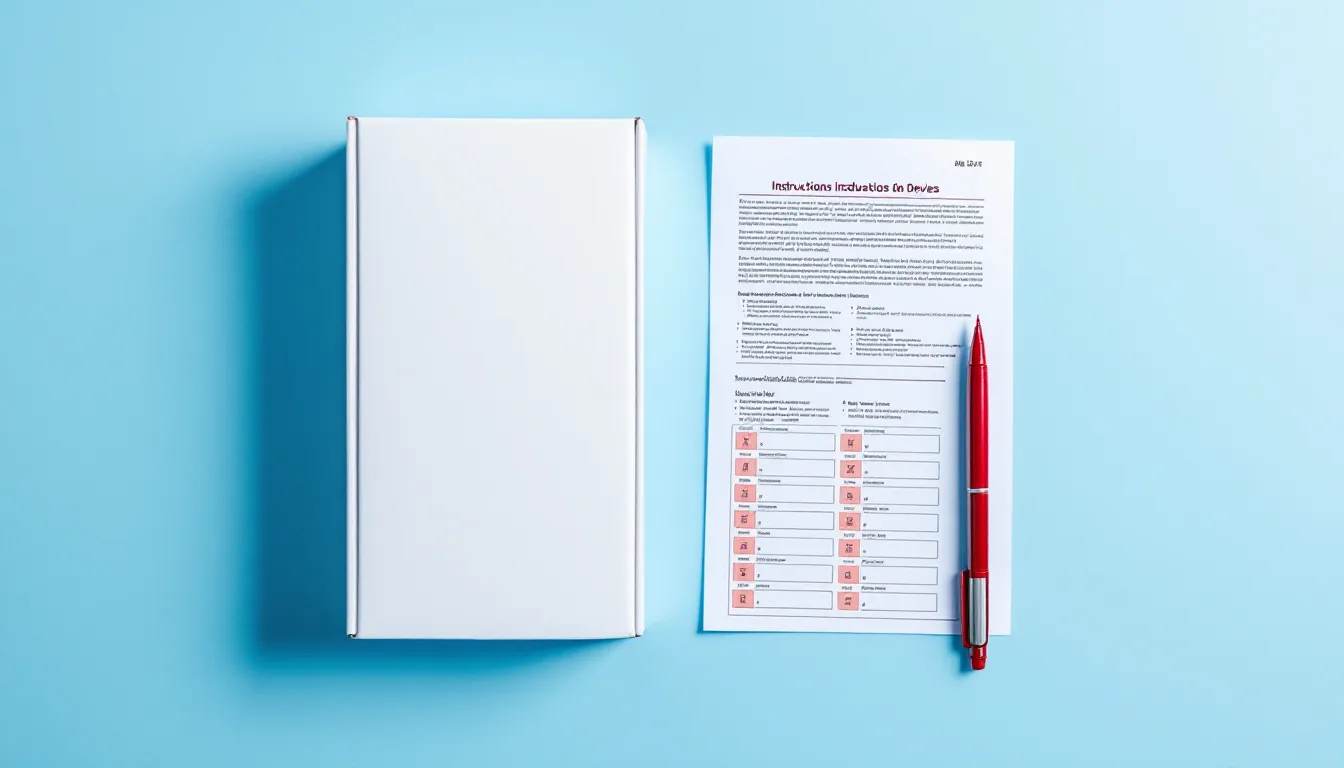
A device carton, a folded multilingual instructions-for-use leaflet and a sheet of labels on a pale blue backdrop, with an oxblood proofreading pen and margin marks.
Quoted before we begin

Begin a project

Put Your Source File on Our Desk

Tell us the document, the target language and the page count. We read the file, then send a fixed price and a delivery date that leaves room for the second read.

Rather attach the file? patients@havelogroup.com (860) 884-4473

Visit & reach

Find the Desk on Mohawk Drive

Most files arrive by email, but the door at 14 Mohawk Dr opens during desk hours for anyone who’d rather hand over a printed proof in person.

Desk Hours

Opening hours
Mon – Fri10–6
Sat – SunClosed

Weekdays 10am–6pm, Eastern time.

Send the Source

patients@havelogroup.com

Attach IDML, DOCX, XLIFF or editable PDF. Name the revision letter in the subject line so the certificate matches it.

Read this first

What to Send With Your First File

  1. The source in its working format — the layout file beats a flattened PDF every time.
  2. Your approved English and its revision letter, so the certificate names the exact document.
  3. Any prior translations or termbase, even old ones — consistency across revisions is half of labeling.
  4. Who will read it: clinician, patient at home, caregiver, or lab technician.
  5. The submission or market it supports, so we format to the right conventions.

How Projects Settle

Invoiced per project on delivery. ACH transfer, check, or card.

VISA AMEX ACH